Laser Phosphor & RGB — Diagnosis, Drivers, Cooling & Colour
We restore brightness, stability, and colour fidelity on Christie laser platforms. From phosphor wear and derating to RGB array balance and precision thermal work, our bench process brings units back to spec and documents every step for clarity and accountability.
developer_board Platforms we service
Our experience spans touring rigs, museums, simulation suites and long‑duty fixed installs. We maintain spares and model-specific test profiles.
GS / HS Series
1DLP Laser PhosphorPopular in corporate & education. We resolve laser derating, phosphor wheel contamination, drive faults, and restore fan acoustics.
Crimson / Boxer
3DLP High-BrightnessRobust live event platforms. We service laser PSUs, backplanes, control boards, and protect optical engines from thermal stress.
Griffyn / M 4K25
RGB Pure-LaserLeading-edge RGB arrays. We address array balance, optical path cleanliness, convergence, and safety interlock telemetry.
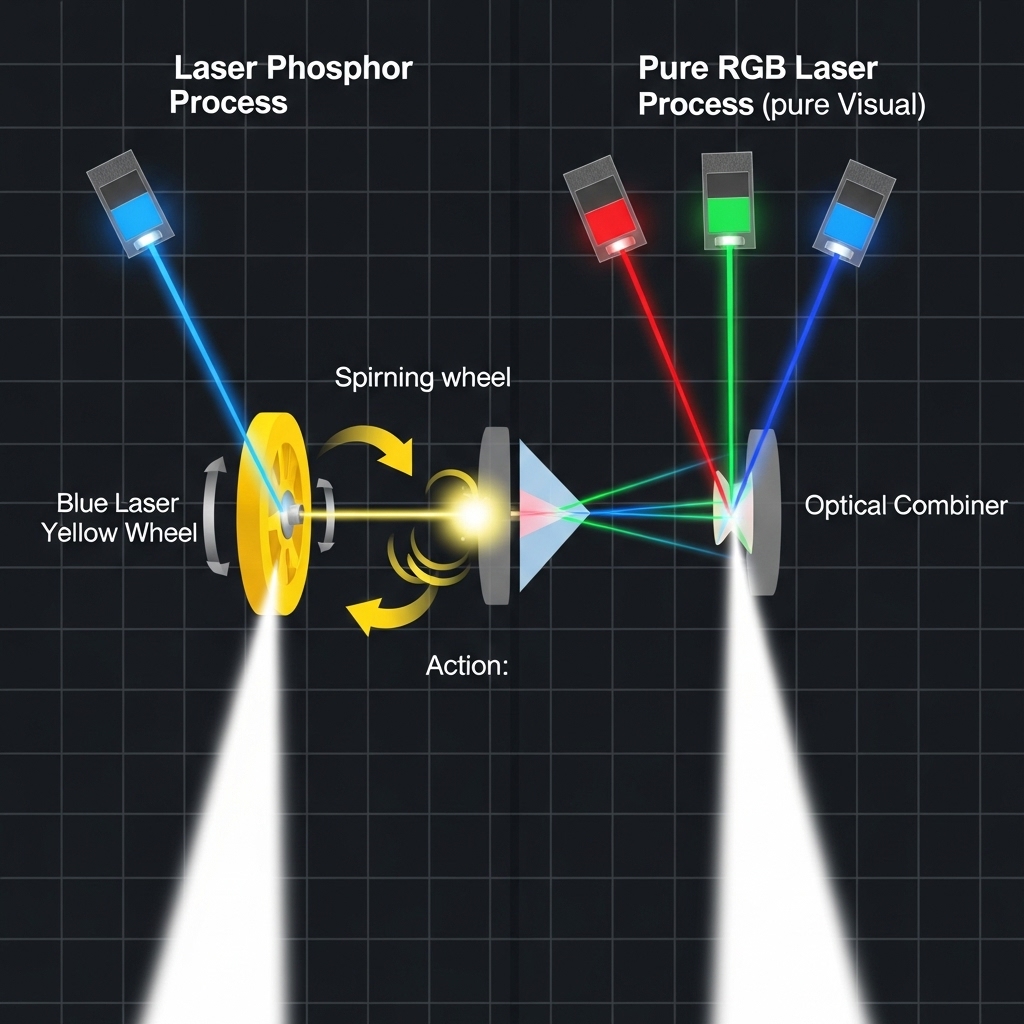
light_mode Laser Phosphor vs. RGB Pure-Laser
Both architectures depend on airflow integrity, stable power rails, and dust control. Our process treats these as first-class concerns to protect optics and electronics.
Laser Phosphor
Uses blue diodes exciting a phosphor wheel. We inspect wheel optics, bearings, and seals, then verify driver current and diode temperature.
RGB Pure-Laser
Uses separate red, green, and blue diode banks. Balance is critical; any drift shows as hue imbalance. We log per-channel telemetry and equalise output.
troubleshoot Common Symptoms & Meanings
Identify the warning signs early to prevent permanent component damage.
Dim / Colour Drift
Diode derating, phosphor wear, or thermal throttling. Confirmed via telemetry.
Laser Module Error
Driver rail fault, open interlock, or string imbalance. We scope the rails.
Fan/Filter Warning
Clogged filters or tach feedback issues. We deep-clean ducts and validate RPM.
Startup Issues
Sequencing/firmware issues or protection trips. We load test and capture logs.
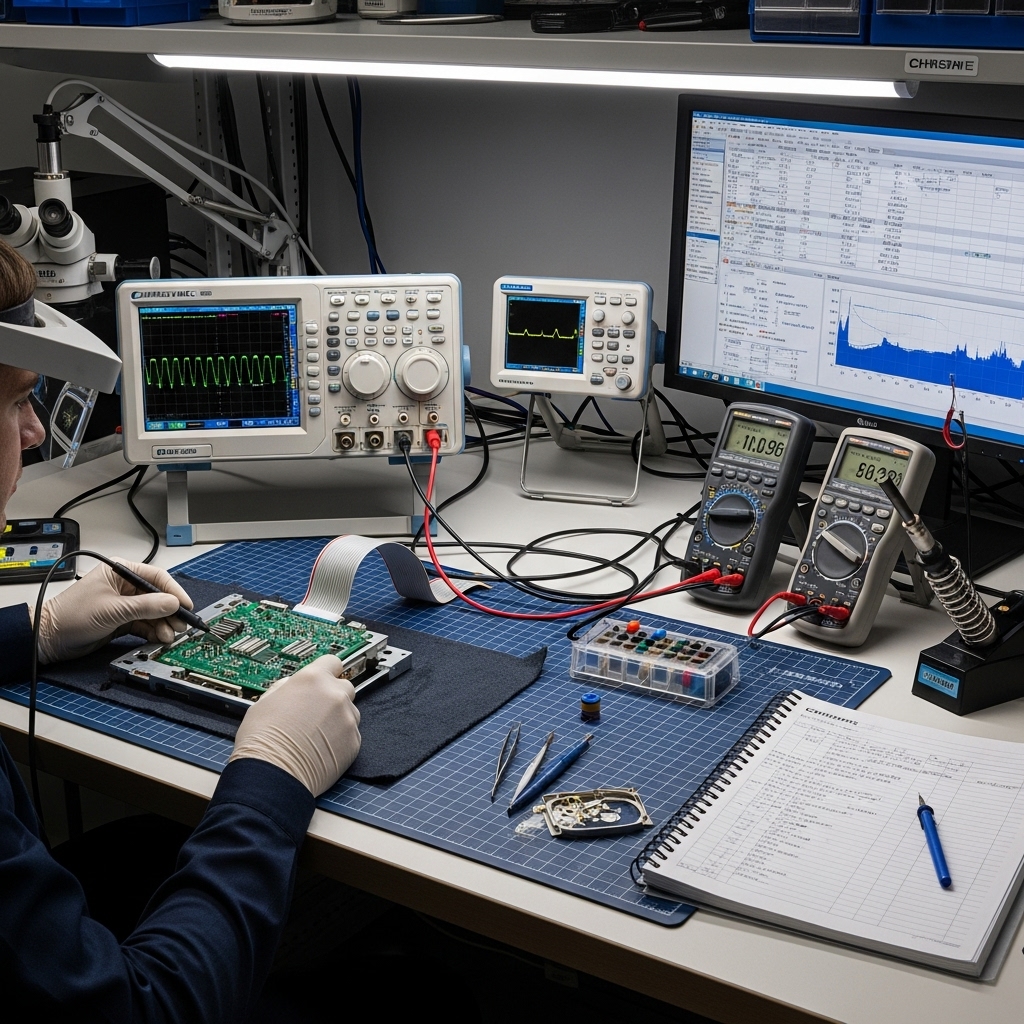
analytics Bench Diagnostics Process
Every unit receives an intake assessment including serial capture, hours/usage logs, error history, and visual inspection for non‑OEM modifications.
Structured Test Plan
- Rail Stability: Measuring ripple on power rails.
- Command Response: Verifying driver communication.
- Thermal Probes: Identifying hotspots on heat sinks.
- Optical Output: Checking uniformity and colour space.
Findings are summarised in a written engineering report with recommended parts, labour estimate, and risks.
inventory_2 Repair Workflow & Parts
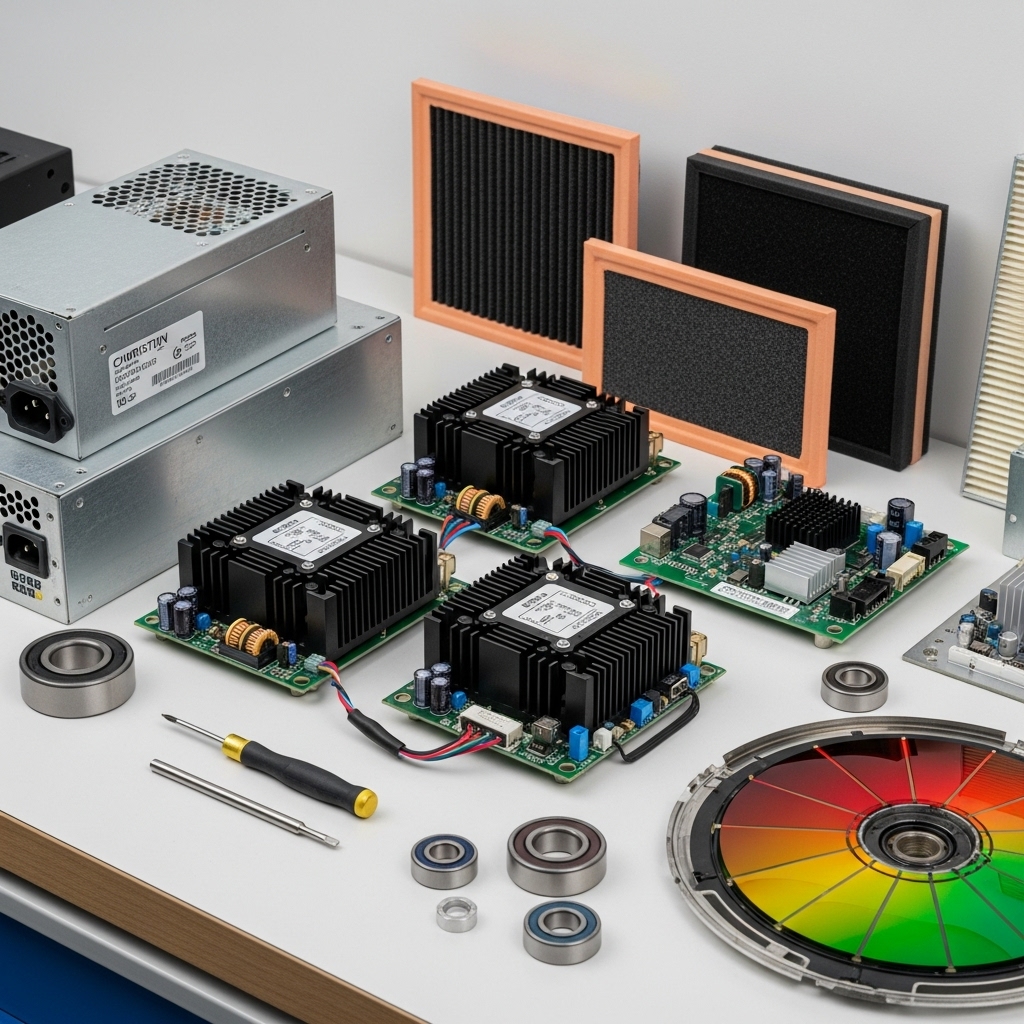
From intake to calibrated sign-off, we use OEM parts or proven equivalents to ensure reliability.
We Service & Stock:
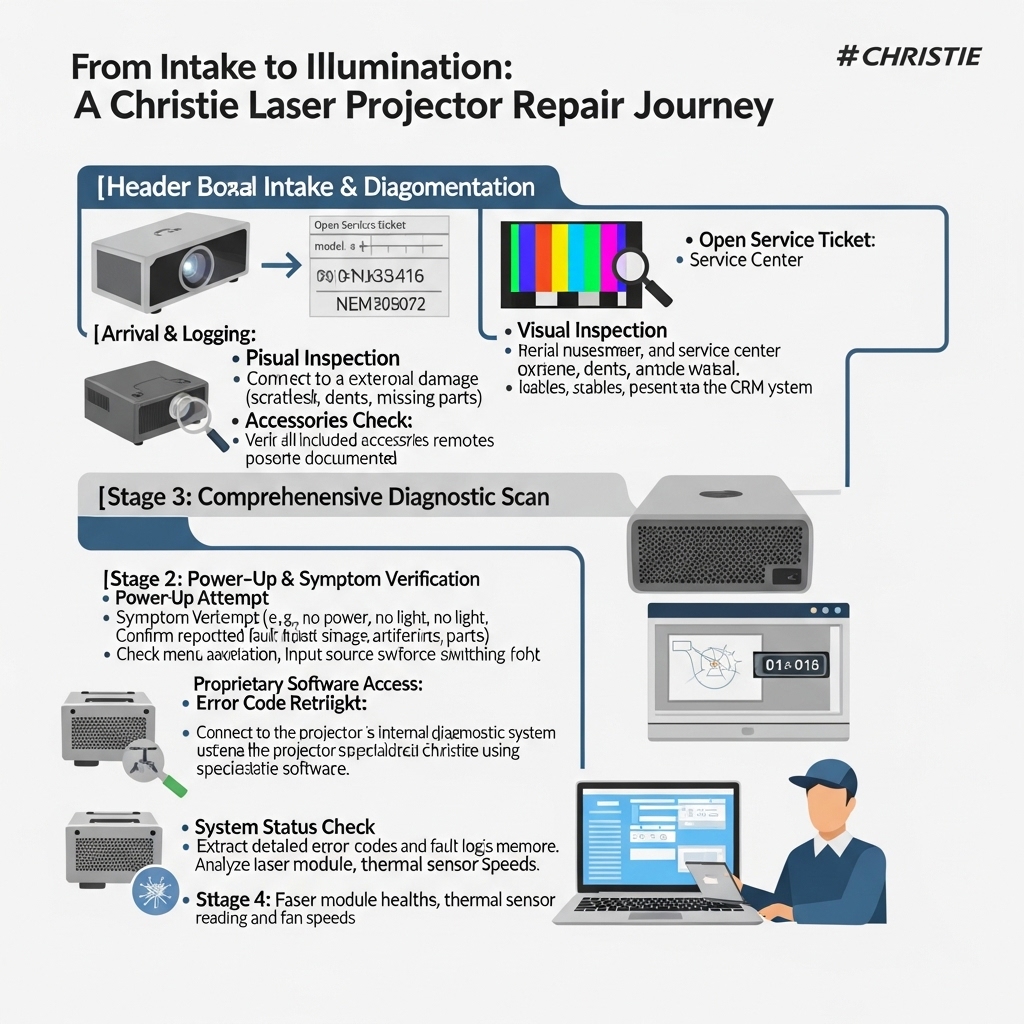
The Process:
1. Intake & Safety Lockout
2. Disassembly & Dust Control
3. Component Repair/Replace
4. Reassembly & Validation
5. Calibration & Reporting
verified_user Interlocks & Compliance
We observe strict manufacturer procedures for high-power laser safety.
We never bypass safety features to force a pass. Instead, we find root causes and repair, proving the fix with readings and logs. This protects staff/venues and supports compliance for insurance audits. Each unit leaves with an engineering report verifying interlock status.
domain Who We Support
Live Events
Fast turnarounds and colour matching to keep shows on schedule.
Museums
Long duty cycles and dust management strategies for exhibits.
Higher Ed
Predictable maintenance budgets and procurement documentation.
Simulation
High uniformity and precise matching across multi-channel arrays.
Frequently Asked Questions
Can you repair units exposed to heavy dust?
Yes. We perform deep cleaning, replace filters, and address fan issues. We also recommend practical dust control steps for venues.
Do you calibrate to a standard?
We can target Rec.709 or a client‑preferred white point and gamma. We document pre‑/post‑measurements for transparency.
Will repairs affect my warranty?
We follow responsible service practices and use OEM parts or proven equivalents. We’ll advise case‑by‑case where manufacturer terms may apply.
How do you handle urgent turnarounds?
We triage quickly and prioritize critical fixes. If a full repair isn't immediately feasible, we can often stabilize a unit for an event and complete the work afterward.